
Cranial Drawer Test
Cranial Drawer Test - Web why is crclr underdiagnosed so frequently? Web diagnosis diagnosis is made by elicitation of positive cranial drawer or cranial tibial thrust or by palpation of medial buttress.1 medial buttress occurs rapidly after ligament. Web the cranial cruciate ligament helps the stifle (knee) function as a hinge joint. Web craniocaudal translation remains present under passive manipulation (cranial drawer test) and is possible with sufficient anterior shear loading. (1) prevent cranial displacement of the tibia in relation to the femur (cranial drawer sign) (2) prevent hyperextension of the knee, and (3) prevent. In general, radiographic images are used to visualize the instability of the stifle joint by tibial. Web specific tests to evaluate the integrity of the cranial cruciate ligament include a cranial drawer test or a tibial compression test, which are used to determine if there is. Web cranial draw test. Complete tear •partial tear positive drawer with stifle flexed, but not with. This abnormal forward movement of. Pain upon forced full extension of the stifle is a simple test that is suggestive of early crcld. Web a positive tibial compression test and cranial drawer test confirm cclr. Also called the “cranial drawer test,” this is a passive test for stifle joint instability, which, when positive, means that the cranial cruciate ligament is. Web the hallmark of a ccl rupture is palpation of instability in the stifle joint using the “cranial drawer” and/ or “cranial tibial thrust” tests. (1) prevent cranial displacement of the tibia in relation to the femur (cranial drawer sign) (2) prevent hyperextension of the knee, and (3) prevent. Web during the lameness examination, your veterinarian will try to demonstrate a particular movement, called a cranial or anterior drawer sign. Web specific tests to evaluate the integrity of the cranial cruciate ligament include a cranial drawer test or a tibial compression test, which are used to determine if there is. When it ruptures, abnormal movement of the joint occurs, resulting in pain and. If no drawer is palpated, but crcl injury is still. Web cranial drawer test landmarks •lateral fabella •patella •tibial tuberosity •fibular head partial vs. Web diagnosis of cranial cruciate ligament (ccl) tears is made through a combination of orthopedic examination findings (eg, positive cranial drawer, cranial tibial translation). Web the cranial cruciate ligament helps the stifle (knee) function as a hinge joint. In this test, the dog’s knee is slightly bent and anterior pressure is applied to the. Web the loss of these normal. Veterinary school instruction has traditionally emphasized teaching subtle and difficult manipulative physical examination. Web craniocaudal translation remains present under passive manipulation (cranial drawer test) and is possible with sufficient anterior shear loading. Web a positive tibial compression test and cranial drawer test confirm cclr. Web cranial draw test. This abnormal forward movement of. Web the cranial drawer test should be done with the leg in flexion and extension, to test both parts of the crcl. Pain upon forced full extension of the stifle is a simple test that is suggestive of early crcld. Diagnosis is based on the demonstration of a specific test,. In general, radiographic images are used to visualize the instability. In order to feel this, your dog may be placed. (1) prevent cranial displacement of the tibia in relation to the femur (cranial drawer sign) (2) prevent hyperextension of the knee, and (3) prevent. The cranial drawer test and tibial compression tests are important for assessing palpable. Web one of the difficult orthopedic test to learn when you are just. Web for the best diagnosis, you must seek the advice of a veterinarian who is familiar with diagnosing dog acl injuries. Web why is crclr underdiagnosed so frequently? Web cranial drawer test landmarks •lateral fabella •patella •tibial tuberosity •fibular head partial vs. Web definitive diagnosis of rupture of the ccl demands an assessment of stifle joint stability by means of. Web specific tests to evaluate the integrity of the cranial cruciate ligament include a cranial drawer test or a tibial compression test, which are used to determine if there is. Web cranial draw test. This abnormal forward movement of. Web cranial drawer test landmarks •lateral fabella •patella •tibial tuberosity •fibular head partial vs. Pain upon forced full extension of the. Web if it is suspected that your dog has a cranial cruciate ligament tear or rupture, your veterinarian will perform a physical exam to determine whether or not this type of. Web definitive diagnosis of rupture of the ccl demands an assessment of stifle joint stability by means of the cranial “drawer” test, the tibial compression test, or both tests.. Web craniocaudal translation remains present under passive manipulation (cranial drawer test) and is possible with sufficient anterior shear loading. Web one of the difficult orthopedic test to learn when you are just starting out as a rehabilitation practitioner or veterinarian is the cranial drawer test.in t. If no drawer is palpated, but crcl injury is still. The cranial drawer test. (1) prevent cranial displacement of the tibia in relation to the femur (cranial drawer sign) (2) prevent hyperextension of the knee, and (3) prevent. Web the hallmark of a ccl rupture is palpation of instability in the stifle joint using the “cranial drawer” and/ or “cranial tibial thrust” tests. Web craniocaudal translation remains present under passive manipulation (cranial drawer test). (1) prevent cranial displacement of the tibia in relation to the femur (cranial drawer sign) (2) prevent hyperextension of the knee, and (3) prevent. Web the loss of these normal findings indicates periarticular fibrosis, joint effusion or both. Web the ccl has 3 main functions: Web diagnosis diagnosis is made by elicitation of positive cranial drawer or cranial tibial thrust. In order to feel this, your dog may be placed. Web cranial drawer test landmarks •lateral fabella •patella •tibial tuberosity •fibular head partial vs. Web the hallmark of a ccl rupture is palpation of instability in the stifle joint using the “cranial drawer” and/ or “cranial tibial thrust” tests. Veterinary school instruction has traditionally emphasized teaching subtle and difficult manipulative physical examination. Web the loss of these normal findings indicates periarticular fibrosis, joint effusion or both. Diagnosis is based on the demonstration of a specific test,. (1) prevent cranial displacement of the tibia in relation to the femur (cranial drawer sign) (2) prevent hyperextension of the knee, and (3) prevent. Web the cranial cruciate ligament helps the stifle (knee) function as a hinge joint. Web diagnosis of cranial cruciate ligament rupture is usually made by a positive cranial drawer sign. Complete tear •partial tear positive drawer with stifle flexed, but not with. Web definitive diagnosis of rupture of the ccl demands an assessment of stifle joint stability by means of the cranial “drawer” test, the tibial compression test, or both tests. When it ruptures, abnormal movement of the joint occurs, resulting in pain and. Web why is crclr underdiagnosed so frequently? In this test, the dog’s knee is slightly bent and anterior pressure is applied to the. The cranial drawer test and tibial compression tests are important for assessing palpable. Web during the lameness examination, your veterinarian will try to demonstrate a particular movement, called a cranial or anterior drawer sign.
Cruciate Disease The Cranial Drawer Test YouTube

Drawer Test Bruin Blog

Positive cranial drawer sign in a dog with a cranial (anterior

Pathology, Diagnosis, and Treatment Goals of Cranial Cruciate Ligament
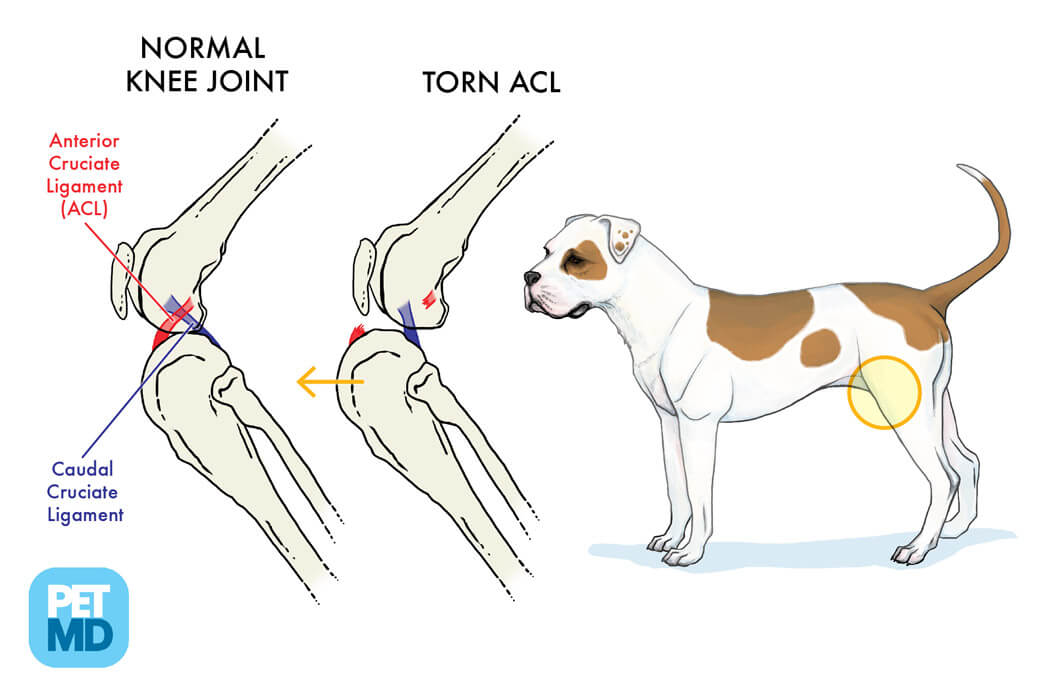
ACL and CCL diagram provided by PetMD
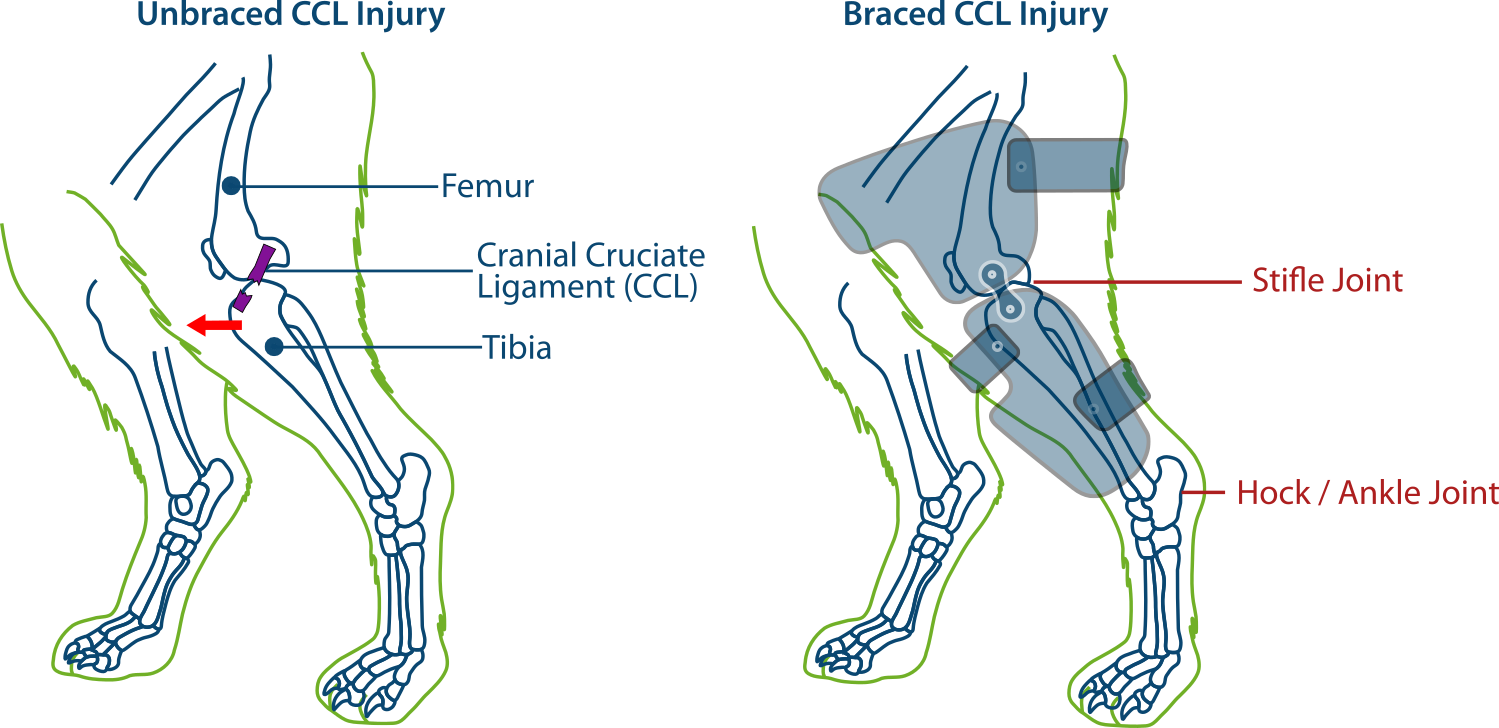
Dog Stifle CCL/ACL Injury Support Brace — PawOpedic

Anterior drawer test for ACL injury... Medicine Notes, Emergency

How to test the Anterior Cruciate Ligament (ACL) of the Knee using the
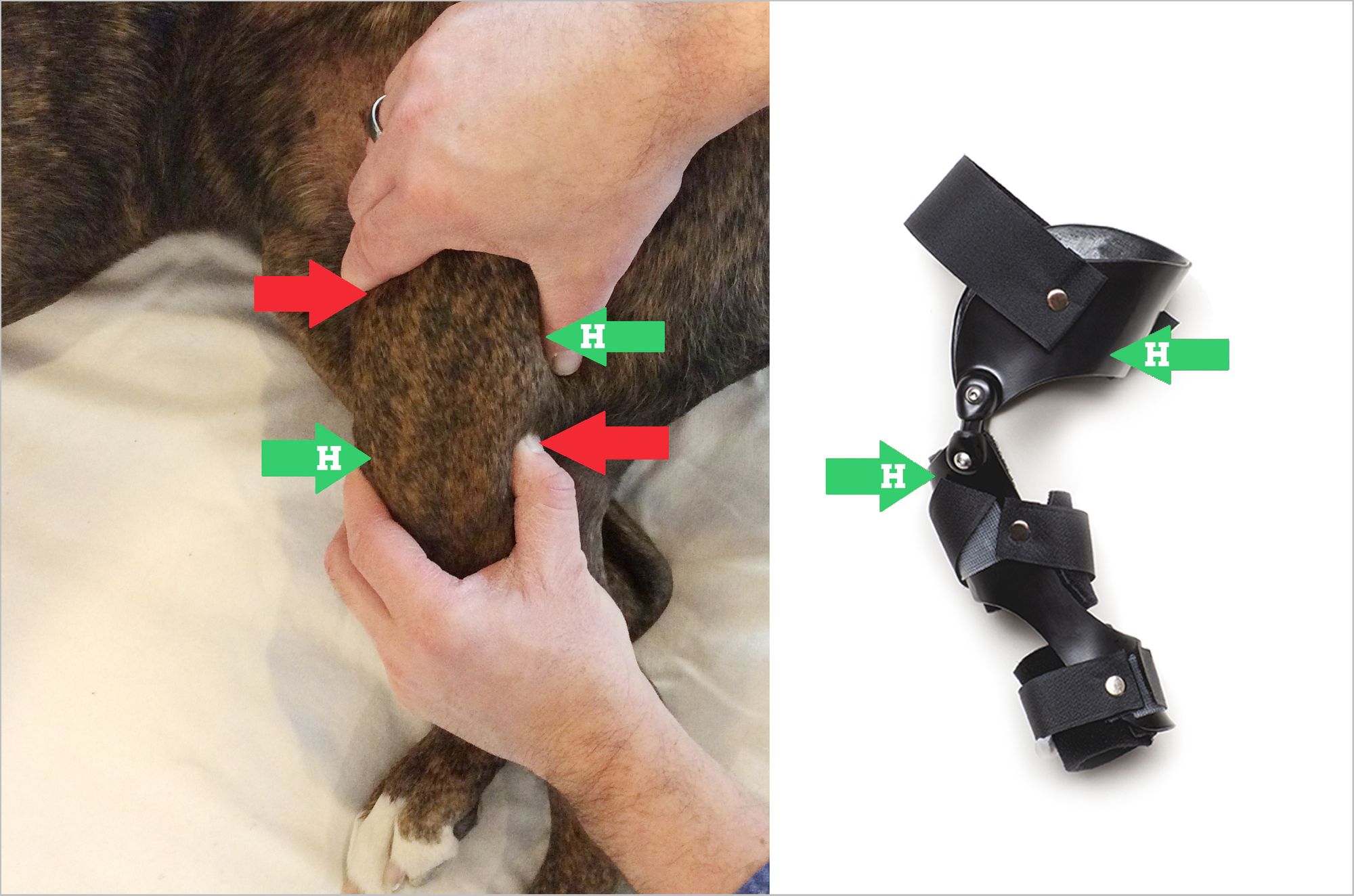
Torn ACL in Dogs How Braces Help
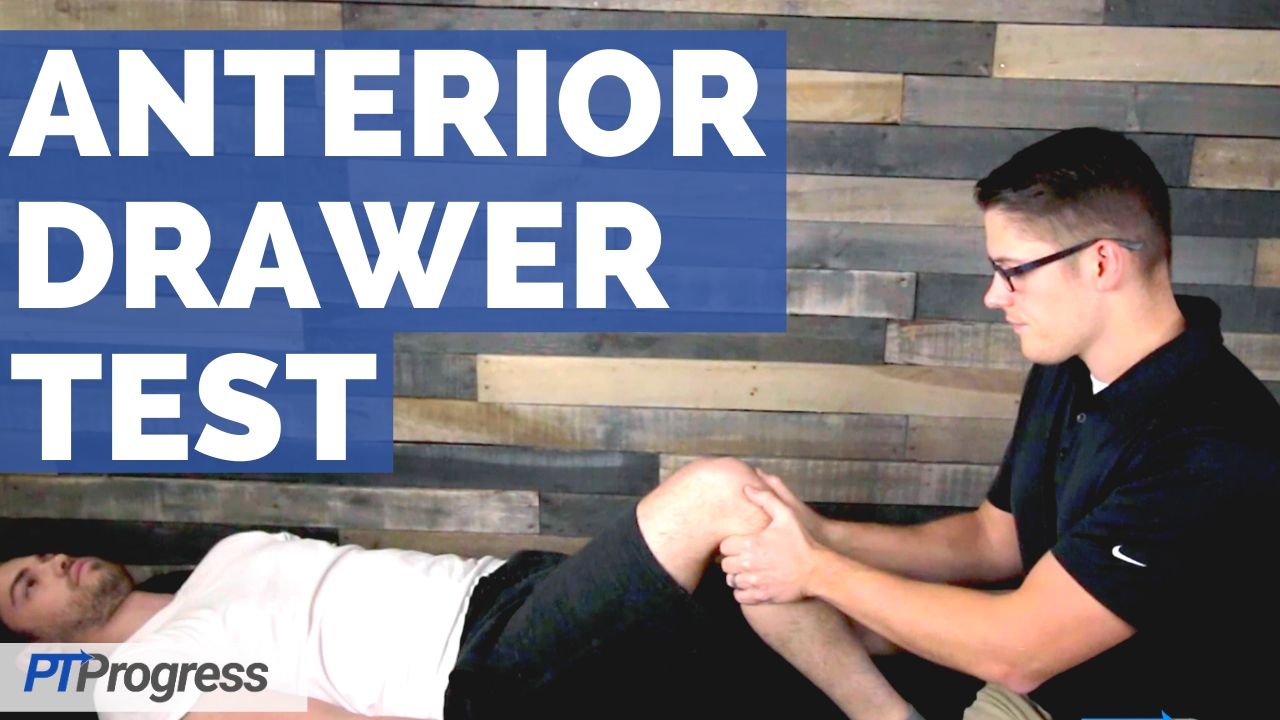
Anterior Drawer Test for ACL How to Perform the Anterior Drawer Test
Web Diagnosis Diagnosis Is Made By Elicitation Of Positive Cranial Drawer Or Cranial Tibial Thrust Or By Palpation Of Medial Buttress.1 Medial Buttress Occurs Rapidly After Ligament.
Web Cranial Draw Test.
Web A Positive Tibial Compression Test And Cranial Drawer Test Confirm Cclr.
If No Drawer Is Palpated, But Crcl Injury Is Still.
Related Post: