
Stamp Act Drawing
Stamp Act Drawing - Needing the revenue from american trade, the british parliament voted to repeal the stamp act in 1766. Web text of the stamp act, reprinted from an edition published by authority, at london, in 1765 It was the first direct tax on the american colonies. Web the stamp act 1 drawing. 12), was an act of the parliament of great britain which imposed a direct tax on the british colonies in america and required that many printed materials in the colonies be produced on stamped paper from london which included an embossed revenue stamp. It led to some of the first protests by american colonists against the british government. Every legal document had to be written on specially stamped paper, showing proof of payment. Web the stamp act protests established a pattern of action against british officials that would, in some cases, involve physical assault, as shown in the image to the right. Web an act for granting and applying certain stamp duties, and other duties, in the british colonies and plantations in america, towards further defraying the expences of defending, protecting, and securing the same; When parliament passed the stamp act in march 1765, things changed. It led to some of the first protests by american colonists against the british government. Web the stamp act, 1765. Click a thumbnail to view the full size image. But consider these questions for now. It imposed a direct tax on all printed material in the north american colonies. It required the colonists to pay a tax on all paper materials including legal documents, newspapers, almanacs, diplomas, calendars, and playing cards. Every legal document had to be written on specially stamped paper, showing proof of payment. We will take a closer look at this and other images and evidence in exercises that follow. Web the stamp act 1 drawing. The most politically active segments of colonial society—printers, publishers, and lawyers—were the. Click a thumbnail panel link to scroll additional thumbnails into view. The unidentified confederate soldier is descended from the lucord family of richmond, virginia. Web print shows a skull and crossbones representation of the official stamp required by the stamp act of 1765. Web an act for granting and applying certain stamp duties, and other duties, in the british colonies. It imposed a direct tax on all printed material in the north american colonies. The unidentified confederate soldier is descended from the lucord family of richmond, virginia. And for amending such parts of the several acts of parliament relating to the trade and revenues of the said colonies and plantations. 12), was an act of the parliament of great britain. It was the first direct tax on the american colonies. The unidentified confederate soldier is descended from the lucord family of richmond, virginia. It was the first time that. We will take a closer look at this and other images and evidence in exercises that follow. When parliament passed the stamp act in march 1765, things changed. And for amending such parts of the several acts of parliament relating to the trade and revenues of the said colonies and plantations. Click a thumbnail to view the full size image. But consider these questions for now. The most politically active segments of colonial society—printers, publishers, and lawyers—were the. The unidentified confederate soldier is descended from the lucord family. Web the passage of the stamp act meant that starting on november 1, 1765, the colonists would contribute £60,000 per year—17 percent of the total cost—to the upkeep of the ten thousand british soldiers in north america. Beginning in 1754 great britain and france fought for control over north america. It was the first direct tax on the american colonies.. Click a thumbnail panel link to scroll additional thumbnails into view. Two groups, the sons of liberty and the daughters of liberty , led the popular resistance to the stamp act. The act required the colonists to pay a tax, represented by a stamp, on various forms. The stamp act helped bring about the american revolution. Web the stamp act. The act required the colonists to pay a tax, represented by a stamp, on various forms. Web on march 22, 1765, the british parliament passed the “stamp act” to help pay for british troops stationed in the colonies during the seven years’ war. Web photo, print, drawing [unidentified soldier in confederate great coat and kepi] title devised by library staff.. Web stamp act, first british parliamentary attempt (in 1765) to raise revenue through direct taxation of all american colonial commercial and legal papers, newspapers, pamphlets, cards, almanacs, and dice. The bill received royal assent from king george iii on march. The act required the colonists to pay a tax, represented by a stamp, on various forms. Web the passage of. The stamp act is not included in the printed editions of acts of parliament, nor in any book accessible to. Web the stamp act was a tax imposed on the thirteen american colonies by the parliament of great britain. Web stamp act congress, meeting convened in new york city (october 1765) by representatives of nine of the american colonies to. Web while these gentry were drafting their grievances during the stamp act congress, other colonists showed their distaste for the new act by boycotting british goods and protesting in the streets. Web text of the stamp act, reprinted from an edition published by authority, at london, in 1765 Web photo, print, drawing [unidentified soldier in confederate great coat and kepi]. Web the stamp act of 1765 was the first internal tax levied directly on american colonists by the british parliament. It led to some of the first protests by american colonists against the british government. Web the stamp act, 1765. Web photo, print, drawing [unidentified soldier in confederate great coat and kepi] title devised by library staff. Needing the revenue from american trade, the british parliament voted to repeal the stamp act in 1766. Web the stamp act protests established a pattern of action against british officials that would, in some cases, involve physical assault, as shown in the image to the right. It imposed a direct tax on all printed material in the north american colonies. Web the stamp act of 1765 generated intense opposition with the american colonists, who called for a boycott of british imports. And for amending such parts of the several acts of parliament relating to the trade and revenues of the said colonies and plantations. Click a thumbnail to view the full size image. Web stamp act, first british parliamentary attempt (in 1765) to raise revenue through direct taxation of all american colonial commercial and legal papers, newspapers, pamphlets, cards, almanacs, and dice. 12), was an act of the parliament of great britain which imposed a direct tax on the british colonies in america and required that many printed materials in the colonies be produced on stamped paper from london which included an embossed revenue stamp. Web the stamp act was a tax imposed on the thirteen american colonies by the parliament of great britain. It required the colonists to pay a tax on all paper materials including legal documents, newspapers, almanacs, diplomas, calendars, and playing cards. The bill received royal assent from king george iii on march. But consider these questions for now.
The Necessary and Proper Clause Implementing Delegated Powers or a New

Samuel Adams Biography, Facts, Timeline The History Junkie
Stamp Act ClipArt ETC
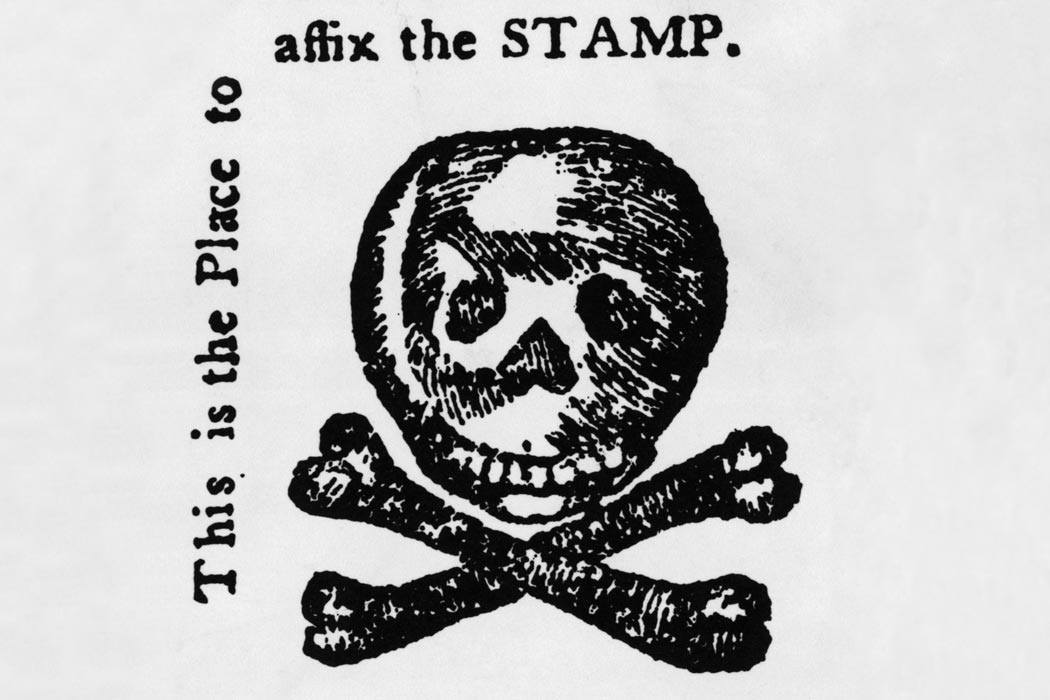
Colonial Stamp Act

Stamp Act Clipart
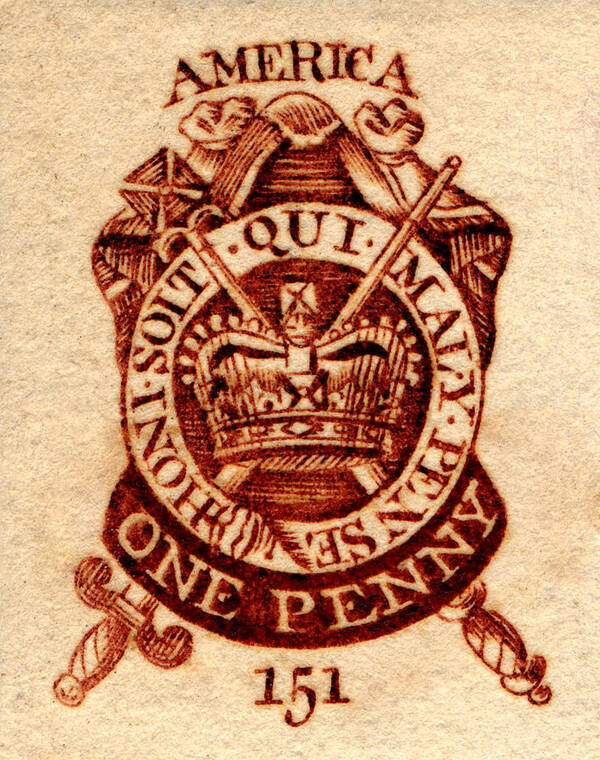
stamp act 1765 Stamp Act Paintings Fine Art America
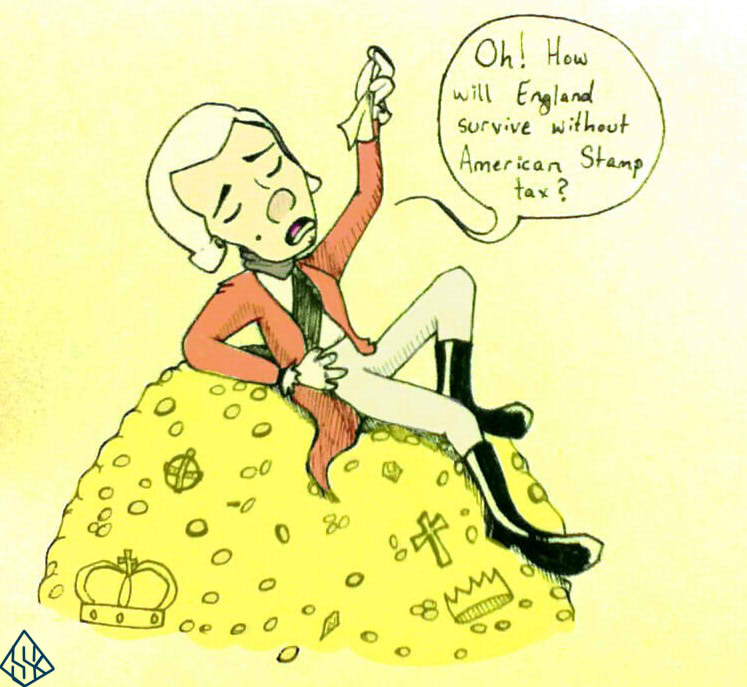
Stamp Act Cartoon by madasabat12 on DeviantArt

Bonus The Boston Stamp Act Riots Ben Franklin's World

In 1765, The Stamp Act was created. This act said that any postage
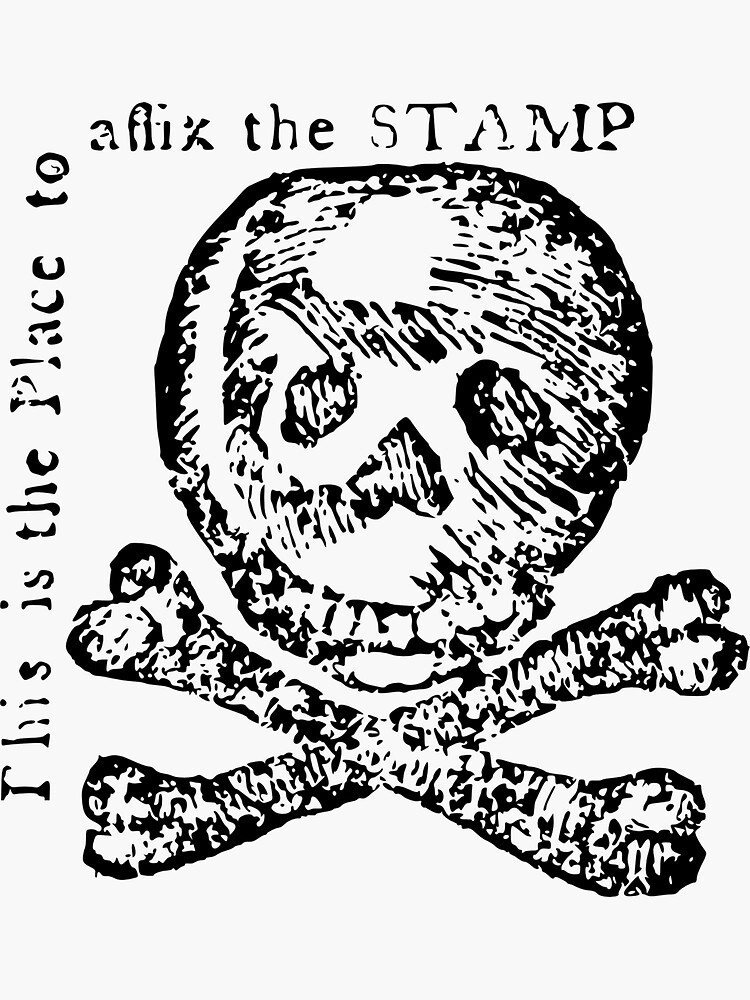
"Stamp Act" Sticker for Sale by AndrewCotten Redbubble
Click A Thumbnail Panel Link To Scroll Additional Thumbnails Into View.
When Parliament Passed The Stamp Act In March 1765, Things Changed.
Web Print Shows A Skull And Crossbones Representation Of The Official Stamp Required By The Stamp Act Of 1765.
Web While These Gentry Were Drafting Their Grievances During The Stamp Act Congress, Other Colonists Showed Their Distaste For The New Act By Boycotting British Goods And Protesting In The Streets.
Related Post: